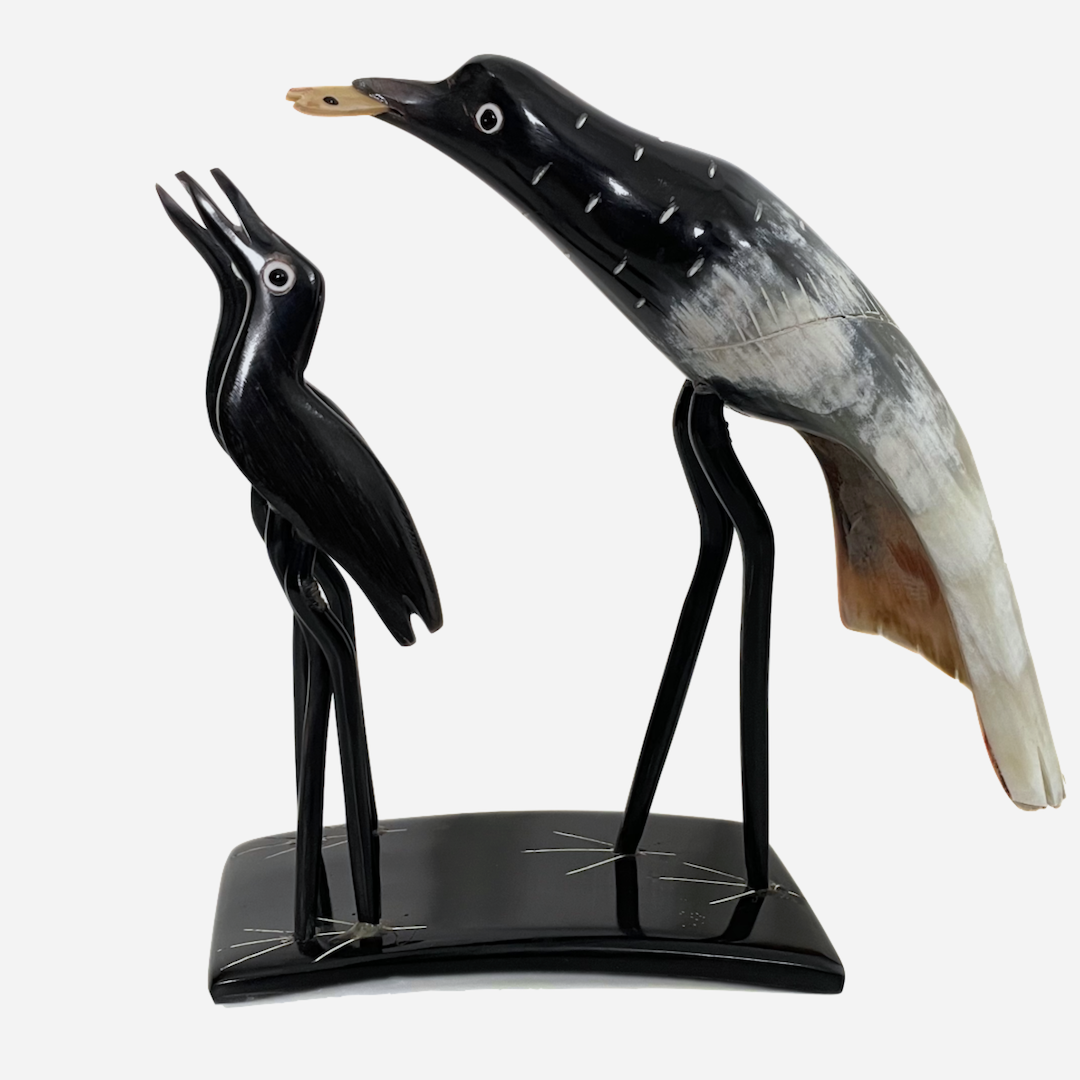

Horn craft, a traditional art form from Odisha, India, has its roots deeply embedded in the pre-plastic era. It involves the creation of various useful and decorative items using animal horns. This unique craft not only showcases the artistic skills of the artisans but also promotes sustainability and eco-friendliness.
Backstory
Before the advent of plastic, people relied on natural materials to create everyday items. Animal horns, being a byproduct of the livestock industry, were abundantly available. The skilled artisans of Odisha began utilizing these horns to create useful and decorative items. Over time, this craft evolved into a thriving industry, providing employment opportunities and preserving the cultural heritage of the region.
Benefits
- Sustainability: Horn craft utilizes a natural and renewable resource, ensuring that there is no unnecessary waste or harm to the environment.
- Eco-friendliness: As opposed to plastic, which is non-biodegradable and causes significant pollution, horn is biodegradable and does not contribute to environmental degradation.
- Durability: Items made from horn are known for their durability and long-lasting nature, making them a wise investment.
- Artistic Value: Each piece of horn craft is unique, showcasing the intricate designs and patterns created by the skilled artisans.
Ecofriendly Usage
Horn craft products can be used in various ways, making them a versatile and practical choice:
- Home Decor: Horn sculptures, wall hangings, and tabletop accessories add a touch of elegance and warmth to any living space.
- Personal Accessories: Handcrafted combs, keychains, and jewelry made from horn are not only stylish but also environmentally conscious choices.
- Gift Materials: The unique and artistic nature of horn craft items makes them perfect for gifting occasions, showcasing your thoughtfulness and concern for the environment.
Odisha's Handicraft Creation
The process of creating horn craft items involves multiple steps, including:
- Collection of Horns: Horns are collected from local livestock, ensuring that no animal is harmed in the process.
- Cleaning and Polishing: The collected horns are cleaned and polished to remove impurities and achieve a smooth finish.
- Coloring: Horn pieces can be dyed in various colors to enhance their aesthetic appeal.
- Gluing and Assembling: Artisans meticulously glue and assemble the colored horn pieces to create intricate designs and patterns.
- Finishing Touches: The final product is polished once again to give it a shiny and smooth finish.
In conclusion, horn craft is an eco-friendly and sustainable handicraft from Odisha that offers numerous benefits. By supporting this art form, we not only preserve a rich cultural heritage but also contribute to a greener and more environmentally conscious future.